The Sensory Counterweight to Digital Saturation
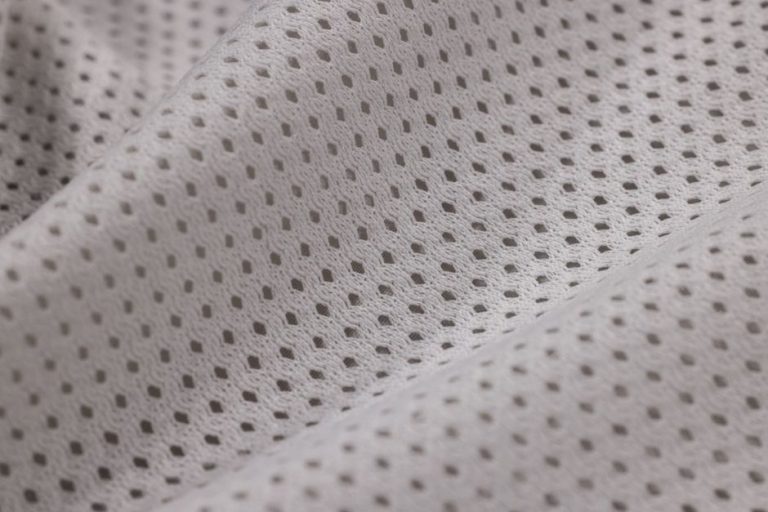
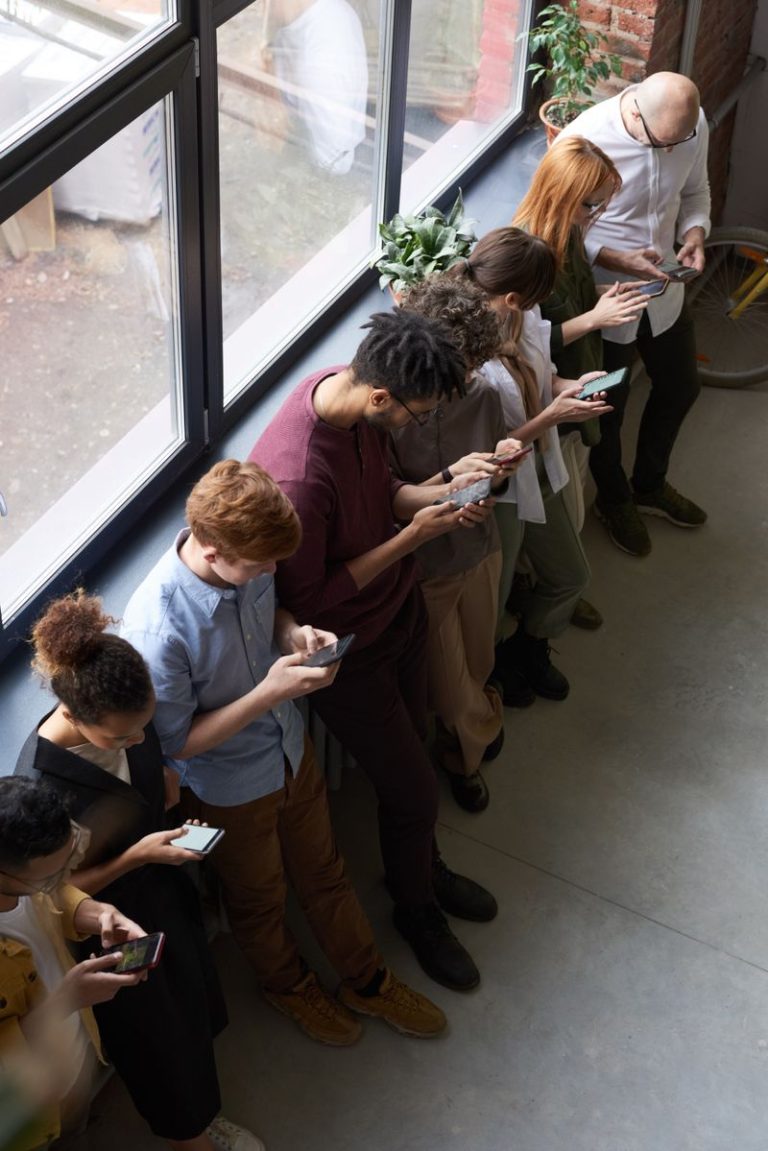
In an era dominated by smooth glass screens and synthetic environments, human biology craves organic tactile stimulation. The resurgence of heavy raw linen, unbleached cotton twill, brushed bouclé, and textured alpaca reflects a deeper psychological desire for sensory grounding in urban living spaces.
Tactile modernism merges clean geometric aesthetics with the raw, imperfect beauty of natural organic materials. It represents a mature design language that values comfort and authenticity over hyper-glossy perfectionism.
The Calming Psychology of Earth Pigments
Color psychology demonstrates that earth-derived hues—such as terracotta, moss sage, warm ochre, and slate riverbed—provoke parasympathetic relaxation in high-stress metropolitan lifestyles. When integrated into personal attire and architectural interiors, these organic tones establish an atmosphere of serene equilibrium.
Pairing varied textural weights within a single monochromatic color family generates visual depth without requiring loud patterns or artificial graphics. A ribbed knit paired with smooth gabardine wool creates subtle sophistication that endures across changing seasons.
Authenticity in Everyday Living
Embracing tactile modernism is ultimately an endorsement of mindful living. Choosing items that age gracefully, reveal honest craftsmanship, and connect us to natural textures enriches our daily sensory experience and anchors us in the present moment.
About the Author