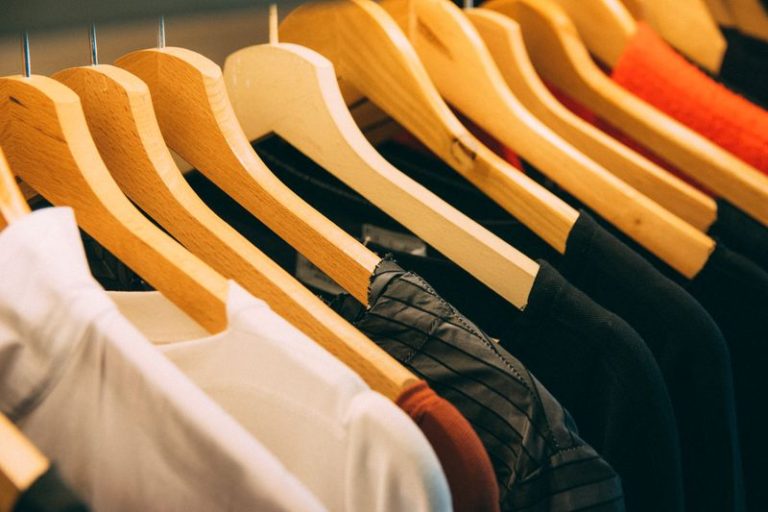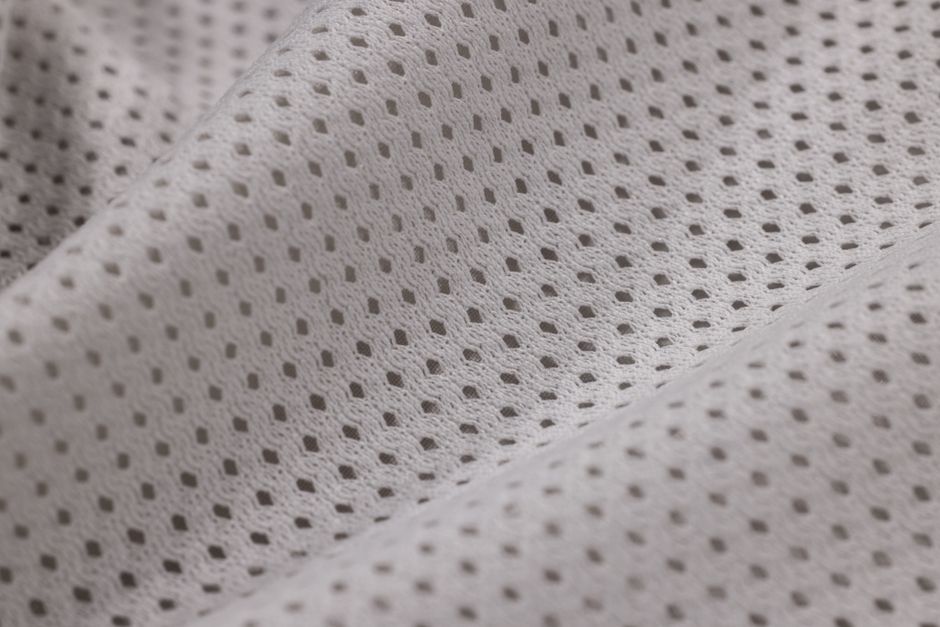
Understanding the structural biochemistry of natural textiles is the single most effective way to extend the lifespan of premium garments, maintain garment drape, and drastically reduce personal environmental footprints.
In a fast-fashion culture dominated by synthetic blends and disposable clothing cycles, caring for high-grade natural fibers—such as extra-fine merino wool, organic linen, raw silk, and long-staple Egyptian cotton—is both an art and a practical science.
The Molecular Architecture of Natural Fibers
Natural fibers respond dynamically to temperature, mechanical agitation, and chemical pH levels:
- Protein Fibers (Wool & Silk): Animal-derived fibers consist of complex keratin protein structures with natural overlapping scales. Harsh detergents and high heat strip natural lanolin and cause irreversible fiber felting and shrinkage.
- Cellulose Fibers (Linen & Cotton): Plant-based fibers boast high tensile strength that actually increases when wet, but they are vulnerable to acidic breakdown and excessive mechanical friction.
Optimizing Laundering Practices
The vast majority of garments are washed far more frequently and aggressively than necessary. Over-washing degrades natural fiber bonds and accelerates color fading. Airing out wool garments between wears, using gentle pH-neutral wool washes, and washing with cold water preserves fiber elasticity and extends clothing lifespans by multiple years.
About the Author