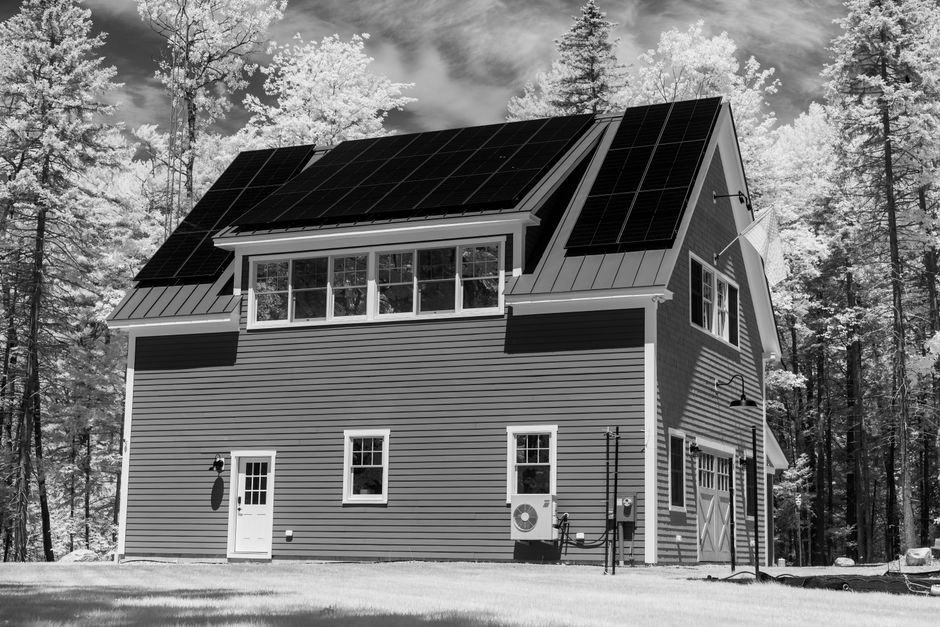
The intersection of domestic technology and ecological responsibility is rapidly evolving. Modern homeowners are increasingly transitioning from passive consumption to active, automated resource stewardship powered by intelligent sensors and energy-efficient hardware.
Far from requiring drastic lifestyle sacrifices, modern sustainable tech leverages algorithmic optimization to trim utility expenses, lower grid dependency, and minimize carbon footprints automatically in the background.
Intelligent Thermal Management
Heating and cooling account for more than 50% of the average household’s energy expenditure. Smart thermostats equipped with predictive learning algorithms and multi-room ambient sensors dynamically adjust climate zones based on real-time occupancy patterns and external weather forecasts.
By pre-cooling or pre-heating living spaces during off-peak energy tariff windows, these systems dramatically reduce peak load stress on municipal power grids while generating immediate savings on monthly utility statements.
High-ROI Domestic Tech Upgrades
- Smart Electrical Subpanels: Real-time monitoring down to the individual circuit breaker level, identifying phantom energy drains.
- Acoustic Water Leak Detectors: Ultrasonic sensors that catch sub-surface pipe leaks before costly structural damage occurs.
- Circadian LED Infrastructure: High-efficiency smart illumination that mirrors natural solar cycles, reducing wattage consumption by over 70%.
The Longevity Economy in Consumer Electronics
True household sustainability also demands a shift toward repairability and modularity. Prioritizing home hardware built with open protocols, replaceable batteries, and transparent firmware update roadmaps ensures that smart home investments remain functional for decades rather than ending up in landfills after short obsolescence cycles.
About the Author