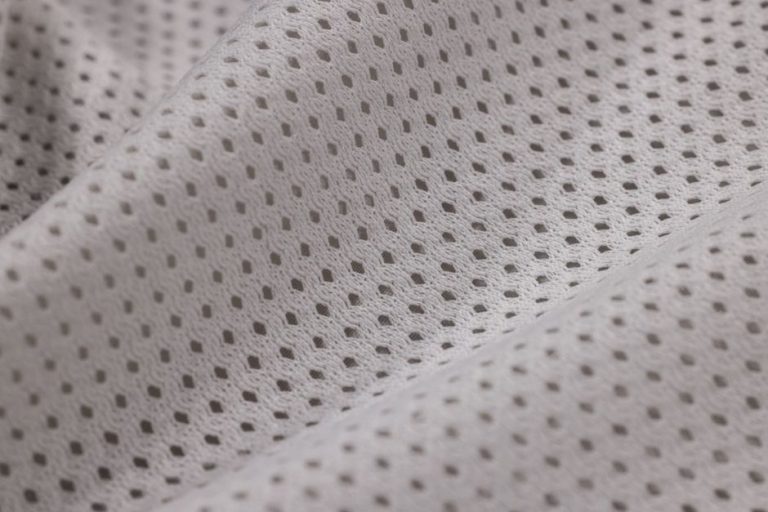
Re-Engineering the Molecular Structure of Apparel
The global textile ecosystem is currently experiencing an unprecedented technological renaissance. Advanced biotechnology and circular chemistry are transforming how raw materials are cultivated, processed, and reclaimed. Traditional virgin petroleum synthetics are being superseded by bio-synthesized polymers engineered from renewable feedstock.
Leading fabric mills across Northern Italy and Japan are now partnering with biological laboratories to produce structural proteins that mimic the thermal regulation and breathability of superfine merino wool, with zero animal husbandry footprint.
Closed-Loop Recycling Protocols in Practice
One of the most persistent bottlenecks in garment recycling has historically been the inability to separate blended fibers, such as cotton-elastane or wool-polyester matrices. Modern enzymatic separation technologies now dissolve synthetic binders without damaging natural cellular strands, enabling 100% pure fiber extraction for secondary spinning.
This closed-loop methodology ensures that high-grade fibers remain within the productive economy indefinitely. For consumers, this translates to garments with superior tensile strength, remarkable tactile softness, and verifiable traceability back to origin.
Consumer Literacy and the Longevity Imperative
As sustainability metrics become standardized across European and North American regulatory frameworks, consumers are empowered with transparent supply chain data. The modern luxury shopper no longer evaluates garments solely on aesthetic appeal, but considers life-cycle durability, repairability indices, and carbon displacement metrics.
About the Author